


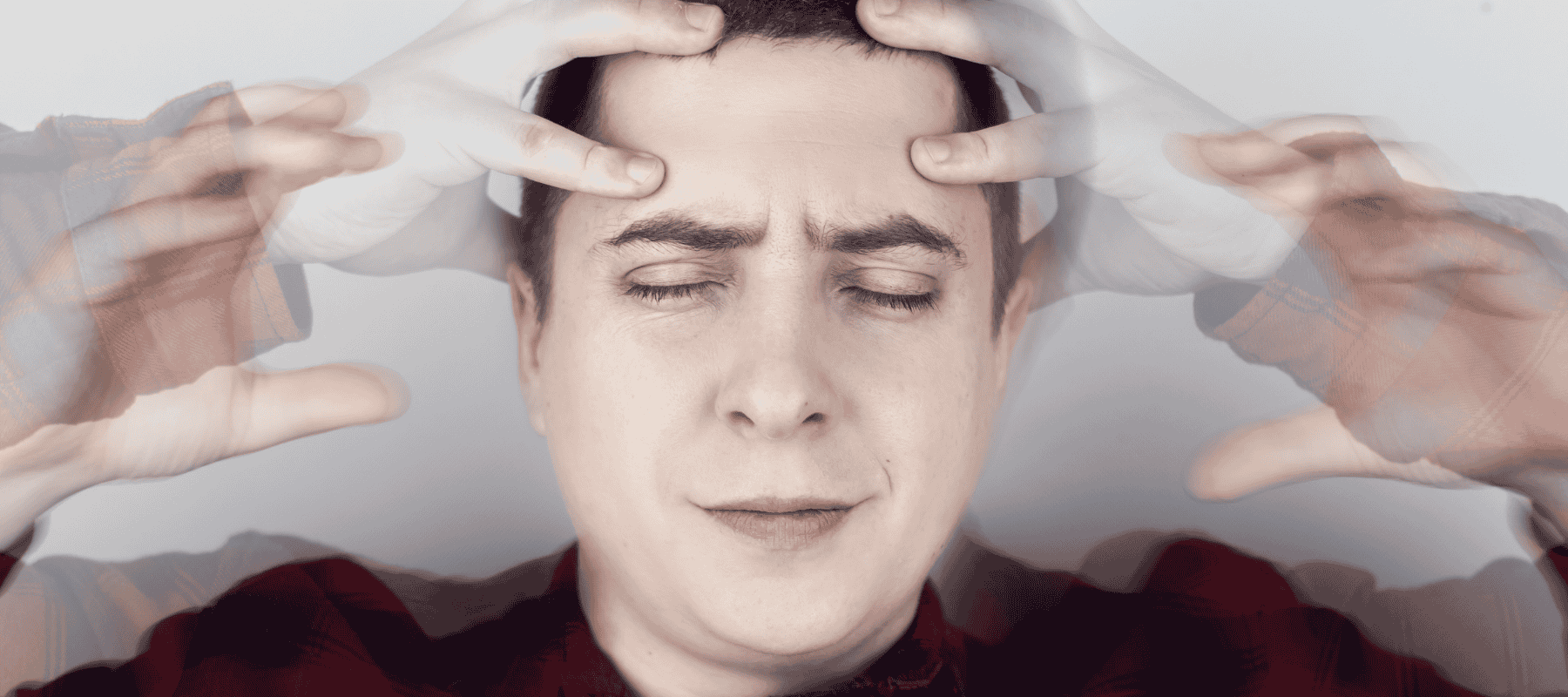
Dizziness is a common health concern that almost everyone experiences at some point. It can feel like lightheadedness, spinning (vertigo), imbalance, or weakness. While occasional dizziness may not be serious, frequent or severe episodes should never be ignored.
Let’s explore what dizziness really means, why it happens, and how you can manage it naturally.
What Is Dizziness?
Dizziness is not a disease itself — it’s a symptom. People describe it in different ways:
- Feeling faint or lightheaded
- A spinning sensation (vertigo)
- Loss of balance
- Feeling weak or unsteady
Understanding the type of dizziness helps identify the root cause.
Common Causes of Dizziness
1. Dehydration
Not drinking enough water can lower blood pressure and reduce oxygen flow to the brain, leading to lightheadedness.
2. Low Blood Pressure
Sudden standing (postural hypotension) can cause a brief dizzy spell.
3. Inner Ear Problems
The inner ear controls balance. Conditions like vertigo or infections can cause spinning sensations.
4. Low Blood Sugar
Skipping meals or long gaps between eating can result in weakness and dizziness.
5. Nutrient Deficiencies
Lack of iron, vitamin B12, or magnesium may affect blood flow and nerve function.
6. Stress & Anxiety
Mental stress can trigger hyperventilation and dizziness.
7. Lack of Sleep
Poor sleep impacts brain function and balance control.
Symptoms That May Accompany Dizziness
- Nausea
- Blurred vision
- Headache
- Sweating
- Ringing in the ears
- Fainting
Seek medical help immediately if dizziness occurs with chest pain, difficulty speaking, severe headache, or weakness on one side of the body.
Natural Ways to Reduce Dizziness
Stay Hydrated
Drink 8–10 glasses of water daily. Increase intake during hot weather or exercise.
Eat Balanced Meals
Include iron-rich foods (spinach, lentils), B12 sources (dairy, eggs), and whole grains.
Improve Sleep
Aim for 7–8 hours of quality sleep each night.
Practice Slow Movements
Avoid standing up too quickly. Move gradually to prevent sudden drops in blood pressure.
Manage Stress
Deep breathing, meditation, and light exercise can stabilize your nervous system.
Support Inner Ear Health
Gentle head exercises (like vestibular exercises) can help improve balance over time.
When to See a Doctor
Consult a healthcare professional if:
- Dizziness happens frequently
- Episodes last longer than a few minutes
- You experience fainting
- It affects daily activities
Persistent dizziness may require medical evaluation, blood tests, or balance assessments.