

Iron is an essential mineral that plays a crucial role in maintaining good health. It is best known for its role in supporting oxygen transport in the blood, but its benefits extend far beyond that. From energy production to immune support, iron is a nutrient the body cannot afford to lack.
Why Iron Is Important
Iron is a key component of hemoglobin, the protein in red blood cells that carries oxygen from the lungs to the rest of the body. Without enough iron, tissues and organs may not receive adequate oxygen, leading to fatigue and weakness. Iron also supports:
- Normal energy metabolism
- Cognitive function and concentration
- Immune system health
- Muscle function and physical performance
Signs of Low Iron Levels
When the body doesn’t get enough iron, it can lead to iron deficiency, which may cause symptoms such as:
- Persistent tiredness or low energy
- Pale skin
- Shortness of breath
- Dizziness or headaches
- Difficulty concentrating
Certain groups, including women of childbearing age, athletes, vegetarians, and individuals with restricted diets, may have a higher risk of low iron intake.
Types of Dietary Iron
Iron in food comes in two main forms:
Heme Iron
Found in animal-based foods such as red meat, poultry, and fish. This form is more easily absorbed by the body.
Non-Heme Iron
Found in plant-based sources such as legumes, leafy green vegetables, whole grains, nuts, and seeds. Although absorption is lower, pairing these foods with vitamin C–rich ingredients can significantly improve uptake.
Foods Rich in Iron
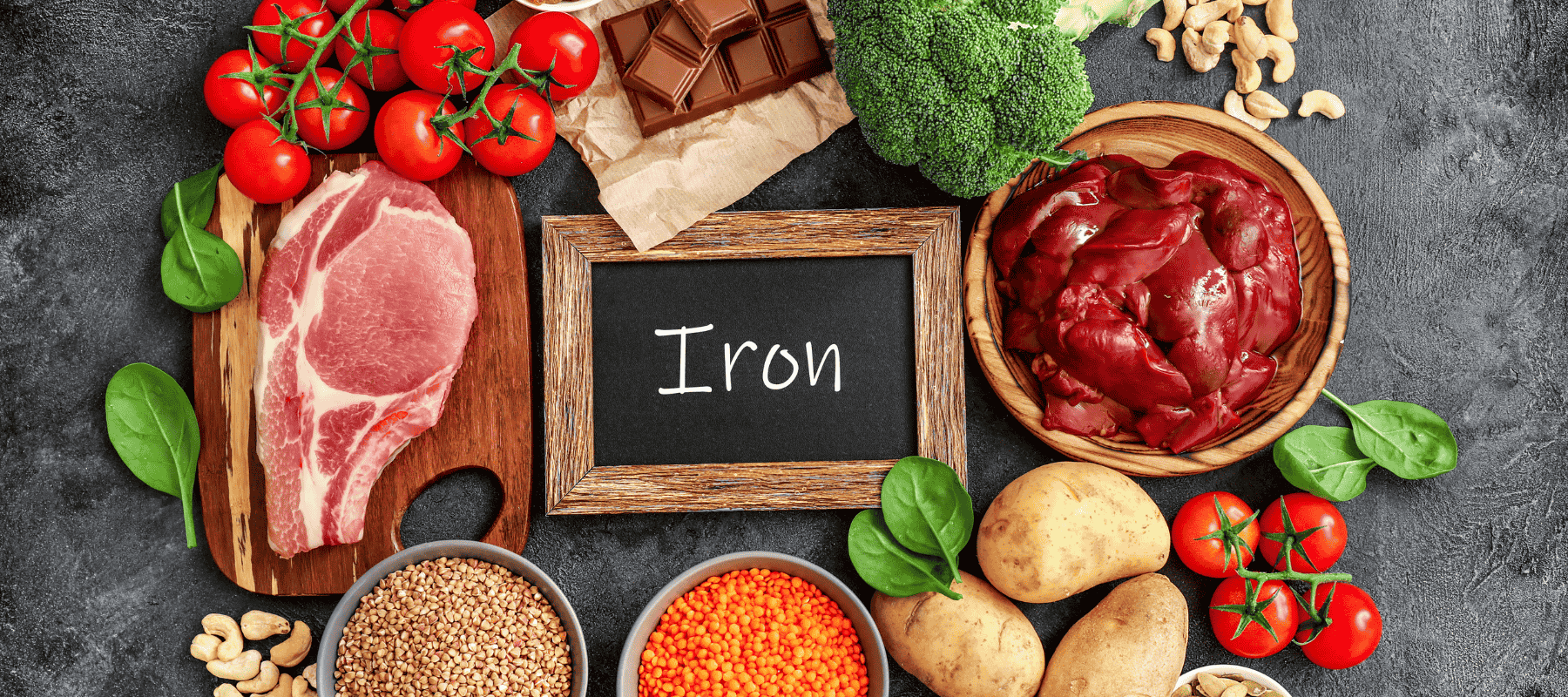
Including a variety of iron-rich foods in your daily diet can help maintain healthy levels:
- Lean meats and seafood
- Lentils, chickpeas, and beans
- Spinach and other dark leafy greens
- Pumpkin seeds and sesame seeds
- Fortified cereals and whole grains
Tips to Improve Iron Absorption
- Combine iron-rich foods with vitamin C sources like citrus fruits, berries, or bell peppers
- Avoid drinking tea or coffee immediately after meals, as they can reduce iron absorption
- Maintain a balanced diet to support overall nutrient uptake
When Supplements May Be Needed
In some cases, dietary intake alone may not be enough to meet iron needs. Supplements can help bridge the gap, especially for those with increased requirements. However, excessive iron intake can be harmful, so it’s important to consult a healthcare professional before starting any supplementation.