


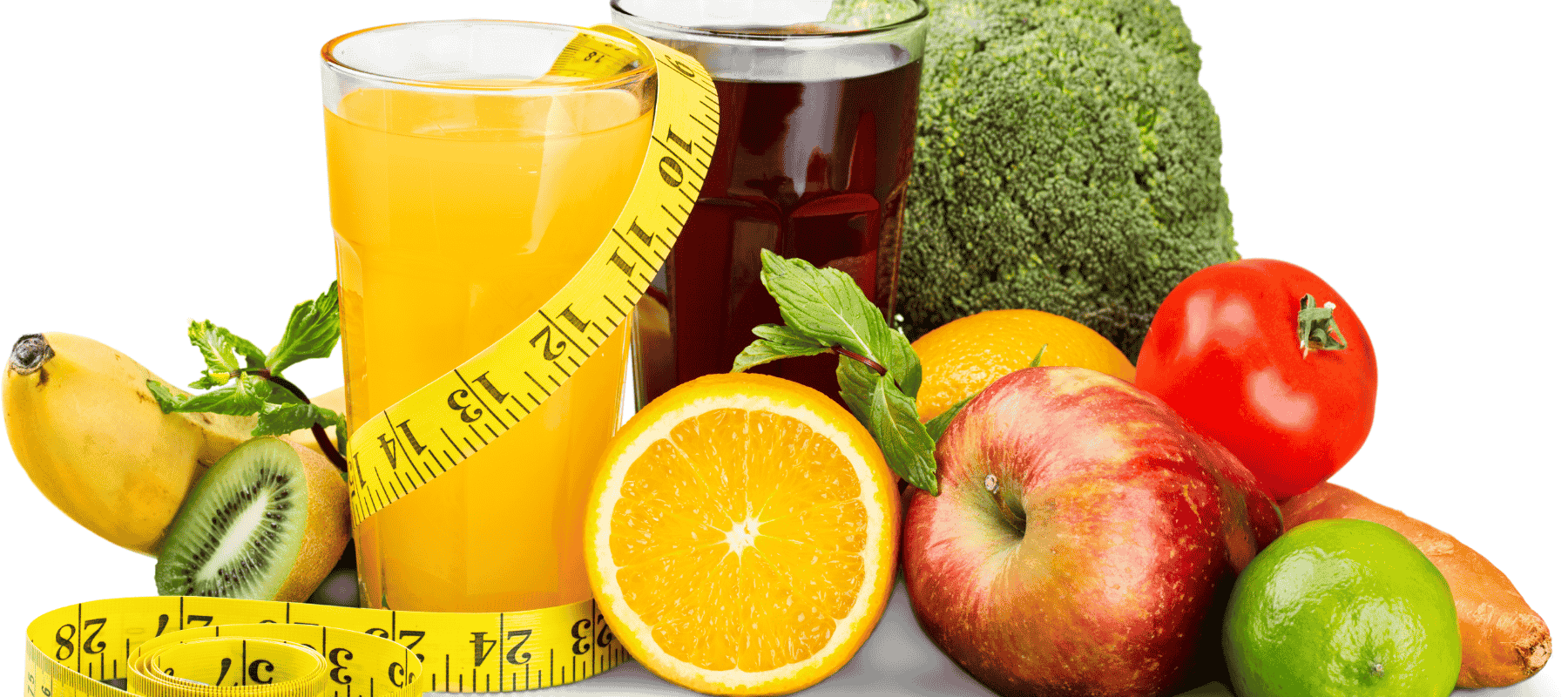
A healthy diet is not about strict rules or giving up the foods you love—it’s about making smarter choices that nourish your body and support long-term wellness. When your daily meals are balanced, colorful, and nutrient-rich, your energy improves, your mind stays sharp, and your overall health gets a natural boost.
1. Fill Your Plate With Whole Foods
Choose more foods that come from nature rather than a factory. Fresh fruits, vegetables, whole grains, nuts, seeds, and lean proteins provide essential vitamins and minerals your body needs to thrive.
2. Balance Your Macros
A healthy diet includes the right mix of:
- Proteins for muscle repair and growth
- Carbohydrates for energy
- Healthy fats for hormone balance and brain function
Try to include all three macronutrients in every meal.
3. Hydration Matters
Water plays a crucial role in digestion, metabolism, and detoxification. Aim for 6–8 glasses a day, and increase your intake during hot weather or workouts.
4. Limit Processed Foods
Packaged snacks, sugary drinks, and fried foods often contain excess sugar, unhealthy fats, and preservatives. Reducing them helps control weight, improve digestion, and support heart health.
5. Choose Portion Control Over Restriction
You don’t need to avoid your favorite foods—just manage portion sizes. Eating mindfully helps prevent overeating and keeps you in tune with your body’s hunger signals.
6. Add More Fiber
Fruits, vegetables, legumes, and whole grains are packed with fiber. A high-fiber diet supports digestion, reduces cravings, and helps maintain stable blood sugar levels.
7. Plan Your Meals
Preparing meals ahead of time reduces last-minute unhealthy choices. A little planning goes a long way in keeping your diet clean and balanced.
8. Stay Consistent
A healthy diet isn’t built in a day—it’s built through daily habits. Make small, sustainable changes and stick with them.