


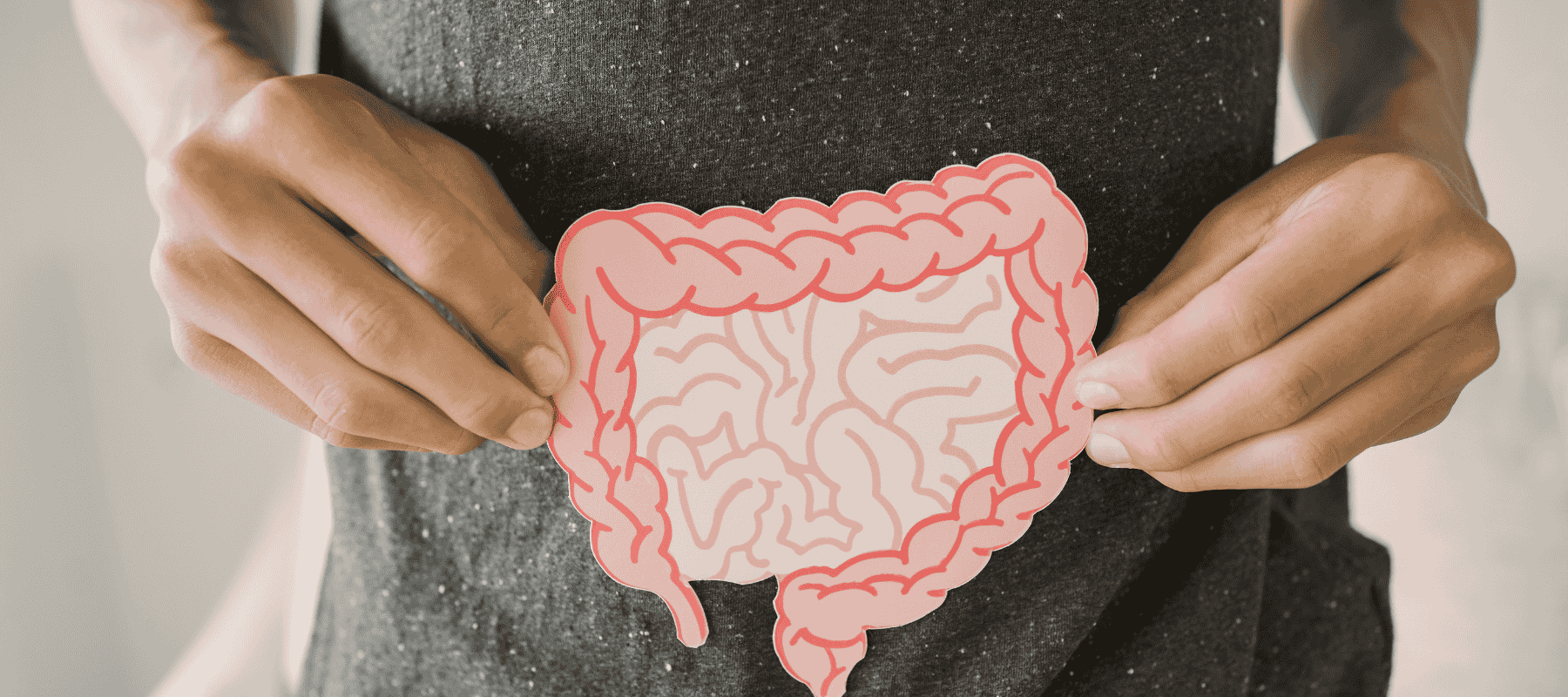
When we think about health, we often focus on visible goals like weight management, clear skin, or strong immunity. But behind all of these lies a powerful and often overlooked system: the gut. Gut health plays a central role in digestion, immunity, mental well-being, and even chronic disease prevention.
What Is Gut Health?
Gut health refers to the balance and function of microorganisms living in the digestive tract, collectively known as the gut microbiome. This ecosystem contains trillions of bacteria—both good and bad—that influence how the body processes food, absorbs nutrients, and defends itself against harmful pathogens.
A healthy gut is characterized by:
- Diverse beneficial bacteria
- Efficient digestion and nutrient absorption
- Minimal inflammation
- Strong intestinal barrier function
Why Gut Health Matters
1. Digestive Efficiency
A balanced gut helps break down food properly, reducing bloating, gas, constipation, and acidity. Poor gut health often leads to discomfort and irregular digestion.
2. Strong Immunity
Nearly 70% of the immune system resides in the gut. Healthy gut bacteria help the body recognize and fight harmful invaders while preventing excessive immune reactions.
3. Mental Well-Being
The gut and brain are closely connected through the gut-brain axis. An unhealthy gut may contribute to stress, anxiety, mood swings, and even depression.
4. Weight Management & Metabolism
Gut bacteria influence how calories are absorbed and stored. A balanced microbiome supports healthy metabolism and reduces inflammation linked to weight gain.
5. Skin & Hormonal Health
Conditions like acne, eczema, and hormonal imbalances are often connected to poor gut function and chronic inflammation.
Signs of an Unhealthy Gut
- Frequent bloating or gas
- Constipation or diarrhea
- Food intolerances
- Low energy levels
- Brain fog
- Skin breakouts
- Frequent infections
Ignoring these signs can lead to long-term health complications.
Foods That Support Gut Health
1. Probiotic-Rich Foods
These contain live beneficial bacteria:
- Yogurt with active cultures
- Kefir
- Fermented vegetables
- Buttermilk
2. Prebiotic Foods
Prebiotics feed good gut bacteria:
- Garlic
- Onion
- Bananas
- Oats
- Chicory root
3. Fiber-Rich Foods
Dietary fiber supports digestion and microbiome diversity:
- Whole grains
- Fruits and vegetables
- Seeds and legumes
4. Anti-Inflammatory Foods
- Turmeric
- Ginger
- Green tea
- Omega-3 rich foods
Habits That Improve Gut Health
- Eat mindfully and avoid overeating
- Stay hydrated to support digestion
- Reduce stress, as chronic stress harms gut bacteria
- Sleep well, allowing the gut to repair itself
- Limit processed foods and excess sugar
The Role of Supplements
In today’s fast-paced lifestyle, diet alone may not be enough. High-quality digestive and gut-support supplements can help restore balance, especially during stress, illness, or dietary gaps. Choosing clean, well-researched formulations is key for long-term results.