


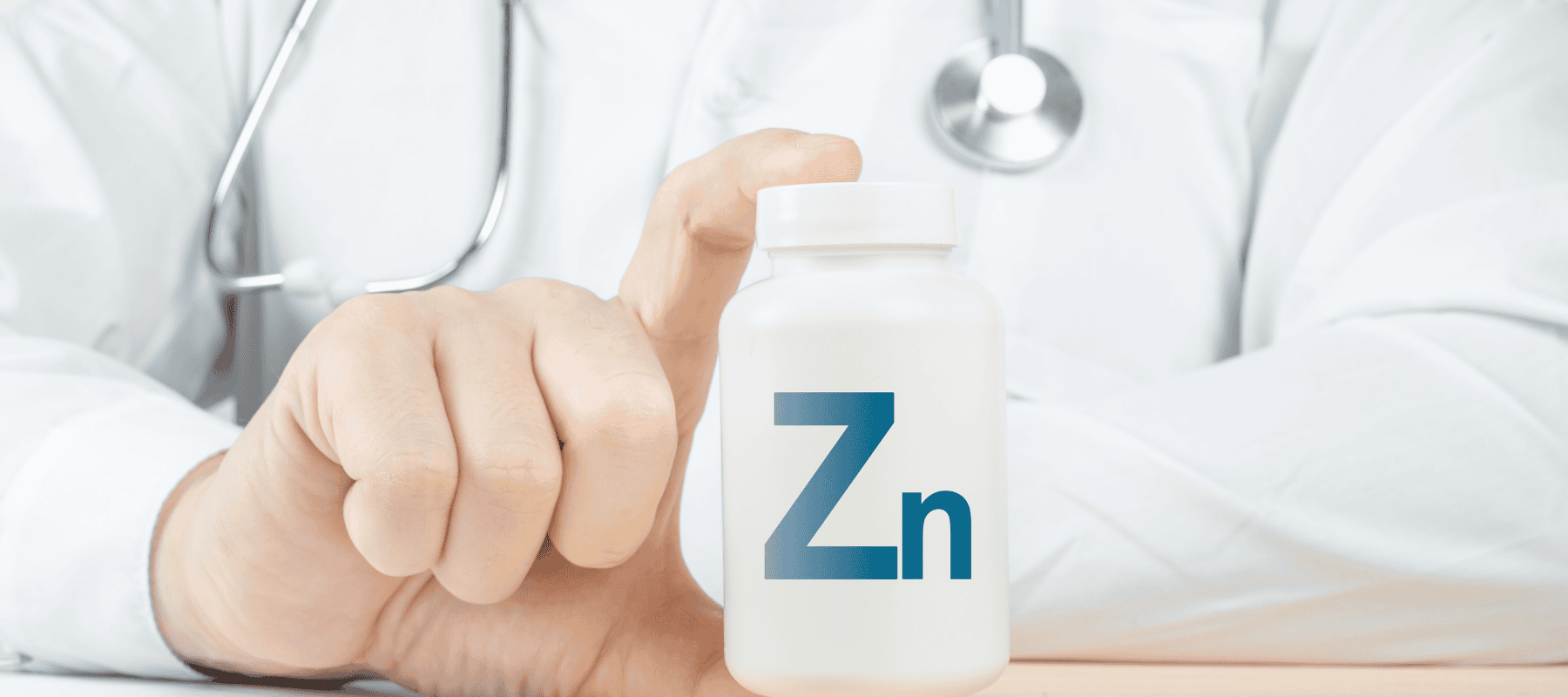
When it comes to maintaining overall health, vitamins usually steal the spotlight—but minerals deserve just as much attention. One of the most important (and often overlooked) minerals is zinc. This trace mineral plays a vital role in everything from immunity to skin health, making it a daily essential for people of all ages.
What Is Zinc and Why Is It Important?
Zinc is an essential mineral, meaning your body cannot produce or store it in large amounts. You need a regular dietary supply to keep your body functioning optimally. It is involved in over 300 enzymatic reactions, supporting metabolism, digestion, and nerve function.
Without adequate zinc, even simple bodily processes can slow down.
Key Health Benefits of Zinc
1. Supports a Strong Immune System
Zinc is best known for its role in immune defense. It helps immune cells develop and function properly, making it easier for the body to fight infections, bacteria, and viruses. This is why zinc is commonly recommended during seasonal illnesses.
2. Promotes Healthy Skin and Hair
From managing acne to supporting wound healing, zinc is essential for skin repair and regeneration. It also plays a role in maintaining strong hair and may help reduce hair thinning caused by nutritional deficiencies.
3. Aids in Faster Wound Healing
Zinc supports collagen synthesis and tissue repair, which is why it’s often used in creams and supplements designed for cuts, burns, and post-surgical recovery.
4. Supports Cognitive Function
Zinc contributes to brain signaling and cognitive performance. Adequate levels are linked to better focus, memory, and mental clarity.
5. Essential for Growth and Development
Zinc is particularly important for children, teenagers, and pregnant women. It supports normal growth, cell division, and DNA synthesis.
Signs of Zinc Deficiency
Zinc deficiency can be subtle at first but may worsen over time. Common signs include:
- Frequent colds or infections
- Slow wound healing
- Hair loss
- Acne or skin issues
- Reduced sense of taste or smell
- Fatigue and poor concentration
If these symptoms persist, dietary improvements or supplementation may be beneficial.
Natural Food Sources of Zinc
Zinc can be found in a variety of everyday foods, including:
- Pumpkin and sesame seeds
- Nuts (cashews, almonds)
- Whole grains
- Legumes such as chickpeas and lentils
- Dairy products
- Eggs
- Seafood, especially shellfish
Plant-based sources are healthy but may be less easily absorbed, which is why some individuals choose supplements.
Zinc Supplements: When and Why to Consider Them
Modern diets, stress, and digestive issues can make it difficult to meet daily zinc requirements through food alone. High-quality zinc supplements offer a convenient way to maintain consistent intake, especially for:
- People with restricted diets
- Individuals with frequent illness
- Those experiencing hair or skin concerns
- Athletes and active individuals
When choosing a supplement, look for well-absorbed forms such as zinc gluconate, citrate, or picolinate.