


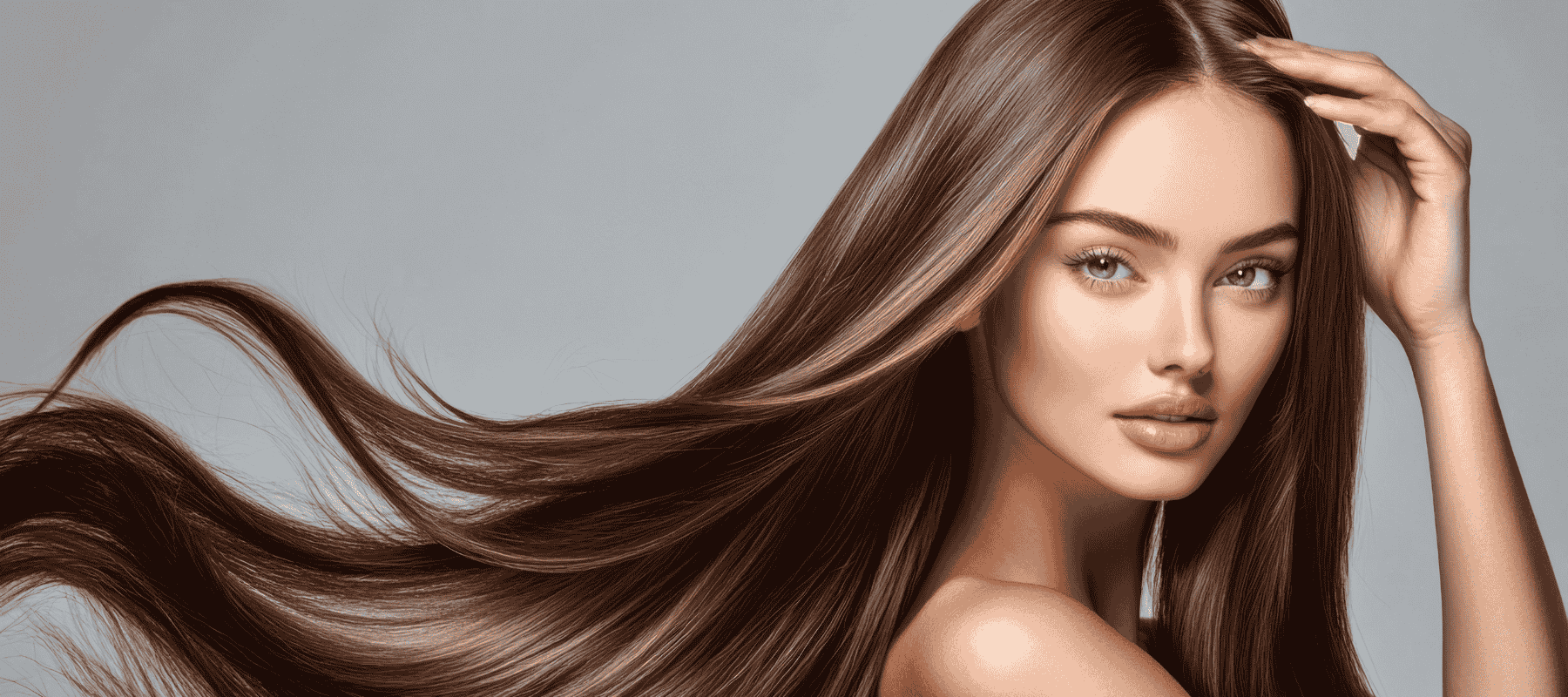
Healthy, vibrant hair is often seen as a sign of beauty and confidence—but true hair health begins far beneath the surface. While shampoos and styling products play a role, long-lasting strength, shine, and growth depend largely on nutrition, lifestyle, and internal balance. Understanding what your hair truly needs can transform the way it looks and feels.
The Hair–Nutrition Connection
Hair is made primarily of keratin, a protein that relies on a steady supply of nutrients to grow and remain strong. When the body lacks essential vitamins, minerals, or healthy fats, hair is often one of the first places to show signs of deficiency—thinning, breakage, dryness, or slow growth.
Supporting hair health requires a whole-body approach that focuses on nourishing cells, improving circulation, and reducing internal stress.
Key Nutrients That Support Hair Health
1. Protein
Hair structure depends on protein. Inadequate protein intake can weaken strands and slow growth. Include high-quality sources such as legumes, nuts, seeds, eggs, and lean proteins to support hair strength.
2. Biotin and B Vitamins
Biotin (Vitamin B7) is widely known for its role in hair growth and thickness. Other B vitamins help carry oxygen and nutrients to the scalp, supporting healthy follicles.
3. Iron
Low iron levels can lead to hair thinning and increased shedding. Iron supports red blood cells, which deliver oxygen to hair roots—critical for growth and repair.
4. Zinc
Zinc plays a role in tissue growth and repair and helps keep oil glands around hair follicles functioning properly. Deficiency may contribute to hair loss or a dry, flaky scalp.
5. Omega Fatty Acids
Healthy fats nourish the scalp, reduce inflammation, and add shine to hair. Omega-3 and omega-6 fatty acids support moisture retention and follicle health.
6. Antioxidants
Oxidative stress from pollution, poor diet, and stress can damage hair follicles. Antioxidants such as vitamins C and E help protect hair from environmental damage and premature aging.
The Role of Gut Health in Hair Growth
Healthy digestion is essential for nutrient absorption. Even a nutrient-rich diet may fall short if the gut is not functioning optimally. Supporting digestive health can improve the body’s ability to absorb vitamins and minerals that feed hair follicles.
Fiber-rich foods, hydration, and balanced meals contribute to better gut health, which in turn supports stronger, healthier hair.
Lifestyle Habits That Impact Hair
Stress Management
Chronic stress can push hair into a resting phase, leading to increased shedding. Mindfulness, exercise, and adequate sleep play a crucial role in maintaining normal hair growth cycles.
Hydration
Water supports every cell in the body, including hair follicles. Dehydration can lead to dry, brittle hair and a flaky scalp.
Scalp Care
A healthy scalp is the foundation for healthy hair. Gentle massage improves blood flow, while avoiding harsh chemicals helps maintain the scalp’s natural balance.
Consistency Is Key
Hair growth is a slow and steady process. Visible improvements often take weeks or months of consistent nutritional and lifestyle support. Instead of quick fixes, focusing on long-term nourishment yields stronger, shinier, and more resilient hair over time.
A Holistic Approach to Hair Wellness
True hair health isn’t about a single product or treatment—it’s about creating balance inside the body. When nutrition, digestion, stress levels, and daily habits align, hair naturally reflects that internal wellness.
By nourishing the body with essential nutrients, maintaining a healthy lifestyle, and supporting overall well-being, you can achieve hair that looks healthy, feels strong, and grows with vitality—naturally.