


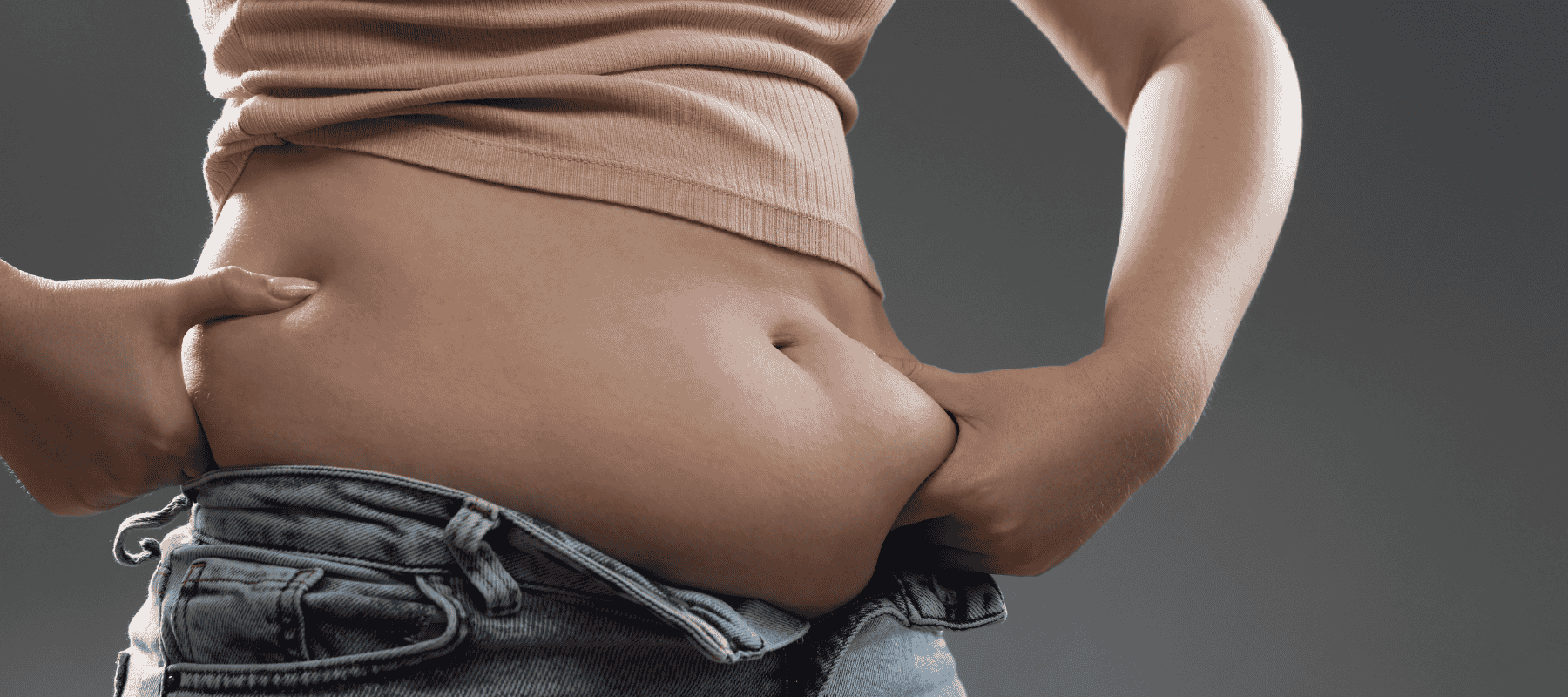
Fat loss is one of the most common health and fitness goals today. However, many people confuse fat loss with weight loss. While the number on the scale may change, true fat loss focuses on reducing excess body fat while maintaining lean muscle mass. A smart, sustainable approach is the key to achieving long-lasting results.
What Is Fat Loss?
Fat loss occurs when the body uses stored fat as energy. This happens when you create a calorie deficit through proper nutrition, physical activity, and healthy lifestyle habits. Unlike crash dieting, effective fat loss supports metabolism and overall well-being.
Nutrition and Fat Loss
What you eat plays a major role in how efficiently your body burns fat. A balanced diet helps regulate hormones, control hunger, and maintain energy levels throughout the day.
Key nutrition tips for fat loss:
- Prioritize protein-rich foods to support muscle and increase fullness
- Include healthy fats to support hormone balance
- Choose complex carbohydrates for sustained energy
- Limit sugary and highly processed foods
Eating mindfully and consistently helps your body adapt to a fat-burning state naturally.
Role of Exercise
Exercise accelerates fat loss by increasing calorie expenditure and improving metabolic health. A combination of different training styles works best:
- Strength training helps build lean muscle and boosts metabolism
- Cardio exercises improve endurance and burn calories
- Daily movement supports overall fat utilization
Consistency matters more than intensity when it comes to long-term fat loss success.
Metabolism and Fat Burning
Metabolism refers to how efficiently your body converts food into energy. Factors such as age, sleep quality, hydration, and nutrient intake all influence metabolic rate. Supporting metabolism through proper nutrition and activity helps the body use fat more effectively as a fuel source.
Importance of Lifestyle Habits
Fat loss is influenced by more than just diet and exercise. Lifestyle habits can either support or slow your progress:
- Getting 7–8 hours of quality sleep
- Managing stress levels
- Staying well hydrated
- Eating meals on time
Chronic stress and poor sleep can negatively impact hormones that regulate fat storage and appetite.
Sustainable Fat Loss Matters
Rapid weight loss methods may lead to muscle loss, low energy, and rebound weight gain. Sustainable fat loss focuses on gradual progress, healthy habits, and consistency. This approach not only improves physical appearance but also enhances overall health and confidence.