


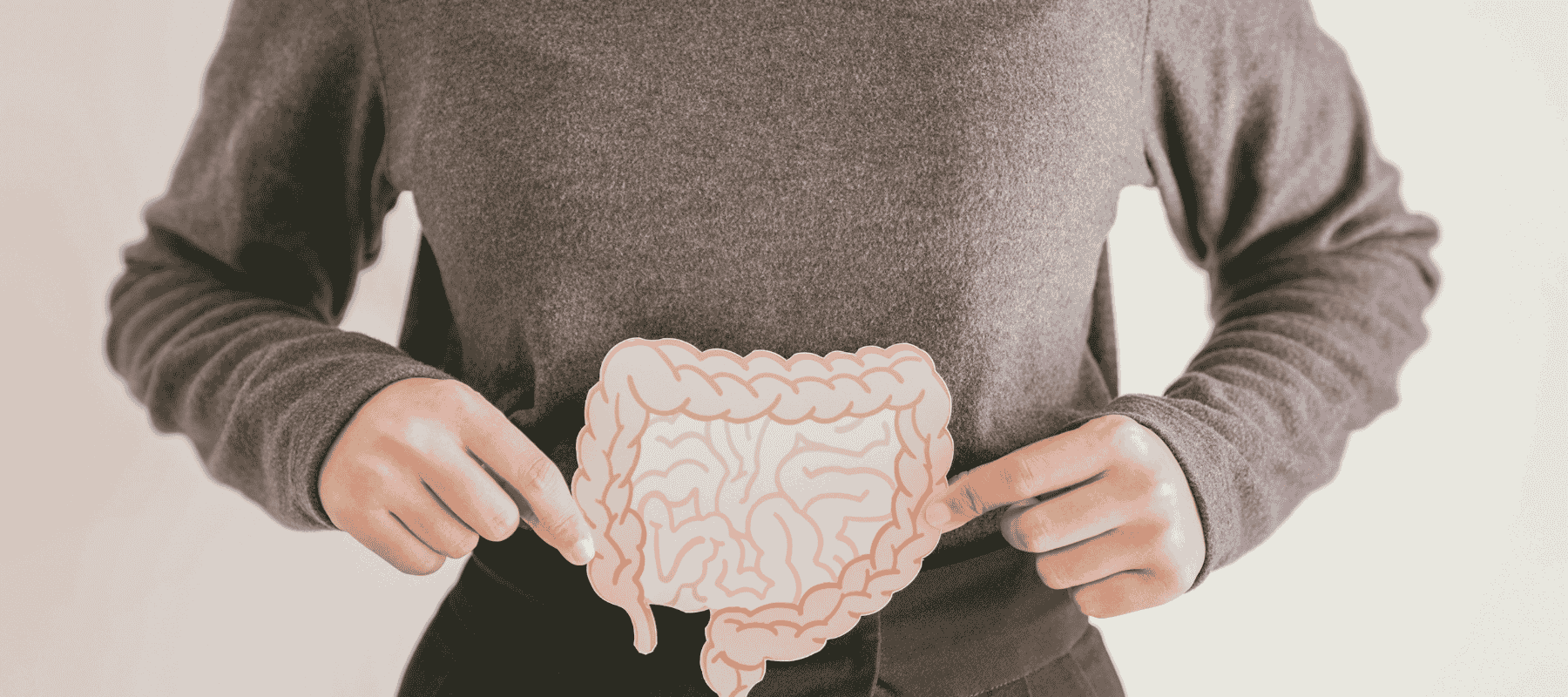
Gut health refers to the balance and proper functioning of the digestive system, especially the intestines and the trillions of microorganisms living inside them. These microorganisms—known as gut microbiota—play a crucial role in digestion, nutrient absorption, immune defense, and overall well-being. When the gut is healthy, the body functions efficiently; when it’s not, it can affect many aspects of physical and mental health.
Understanding the Gut Microbiome
The gut microbiome is a complex ecosystem of bacteria, fungi, and other microbes living primarily in the large intestine. Not all bacteria are harmful—many are beneficial and essential for good health. A healthy gut maintains a balanced mix of “good” and “bad” bacteria, supporting digestion and protecting the body from infections.
Why Gut Health Is Important
1. Aids Digestion and Nutrient Absorption
A healthy gut helps break down food effectively and absorb essential nutrients like vitamins, minerals, and amino acids. Poor gut health can lead to bloating, gas, indigestion, and nutrient deficiencies.
2. Supports Immune Function
Around 70% of the immune system is linked to the gut. A balanced gut microbiome helps the body identify harmful pathogens and reduces the risk of frequent illness.
3. Influences Mental Health
The gut and brain are closely connected through the gut-brain axis. An unhealthy gut may contribute to stress, anxiety, mood swings, and even sleep disturbances.
4. Helps Maintain a Healthy Weight
Gut bacteria play a role in metabolism and fat storage. An imbalanced gut may increase cravings, slow metabolism, and make weight management more difficult.
5. Reduces Inflammation
Good gut health helps control inflammation in the body. Chronic inflammation linked to poor gut function may contribute to conditions like joint pain, fatigue, and lifestyle-related disorders.
Signs of Poor Gut Health
- Frequent bloating or gas
- Constipation or diarrhea
- Acid reflux or stomach discomfort
- Food intolerances
- Low energy levels
- Weak immunity
- Skin issues like acne or rashes
How to Improve Gut Health Naturally
Eat a Fiber-Rich Diet
Fruits, vegetables, whole grains, and legumes provide fiber that feeds beneficial gut bacteria.
Include Probiotic Foods
Fermented foods like curd, yogurt, kefir, kimchi, and sauerkraut introduce good bacteria into the gut.
Add Prebiotic Foods
Foods like garlic, onions, bananas, and oats help nourish healthy gut bacteria.
Stay Hydrated
Drinking enough water supports digestion and helps maintain a healthy gut lining.
Manage Stress
Chronic stress can negatively impact gut health. Practices like meditation, yoga, and deep breathing can help.
Limit Processed Foods
Excess sugar, refined carbs, and heavily processed foods can disturb gut bacteria balance.